Table of Content
This combination resulted in an intelligent, loyal, and lovable pet. However, it also put her at high risk for genetic hip problems. Bella was three when the vet diagnosed her with canine hip dysplasia. Weakness and pain in the hind legs are the usual clinical signs. These signs can be seen in puppies as early as a few months old but are most common in dogs one to two years of age. Dogs with mild hip dysplasia on radiographs (X-rays) may develop minimal arthritis without clinical signs until they are older.

As a prospective owner of a new dog, do your research on the breed of your choice. Find a responsible breeder that does the appropriate health screenings, such as radiographs for hip dysplasia and more. "My 5 year old dog was recently diagnosed with hip dysplasia. The information regarding exercise was very useful." Your dog will not be back to normal functioning for four to six weeks after the surgery. You want to make sure a dog with hip dysplasia can easily navigate your living space.
Can my dog live a normal life with hip dysplasia?
The doctor is concerned about the results of the physical exam. There are signs and symptoms of a possible hip problem, such as a limp in a child of walking age. If treatment is delayed beyond 2 years of age, hip deformity can lead to painful hips, waddling walking and a decrease in strength.

Gentle and big-hearted, Bella was loved by her new family immediately after adoption. Her home included humans, another dog, a cat, chickens, two Tennessee fainting goats and even llamas! She embraced her family of friends, reciprocating their immense love for her. Anti-inflammatory medications (nonsteroidal anti-inflammatory medications, corticosteroids).
Treatment begins with getting your dog help for hip dysplasia
Broadly speaking, there is a plethora of medicine for hip dysplasia in dogs. I use the term “medicine” to encompass supplements, western medicine, and even some “non-conventional” medical management options. Although they do not cure the underlying biomechanical condition of hip laxity, the goal of treatment is to control inflammation and pain to improve mobility.
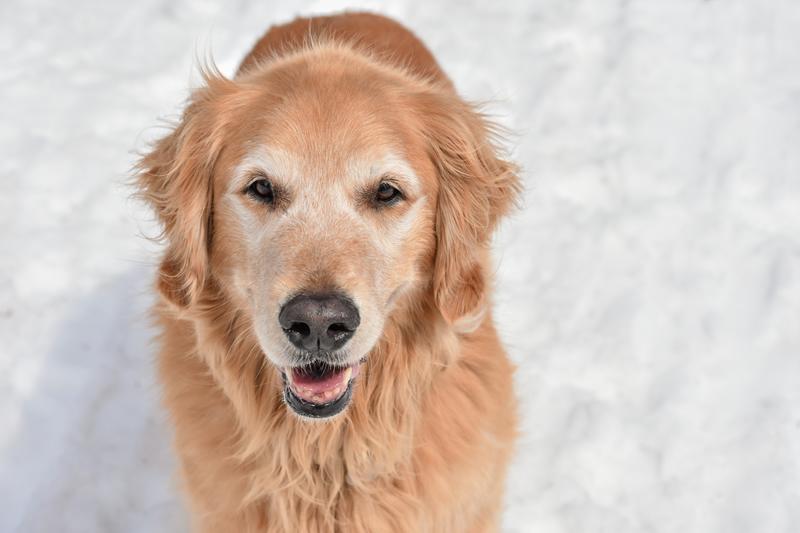
It needs your pet to obtain more workouts than in the past, as hip dysplasia makes them a lot more vulnerable to muscle degeneration. Though hip dysplasia leads to an unusual stride and limping, taking your canine for a tremendous antique stroll is still quite urged as it provides their legs an excellent workout. Just make sure to stay with courses with soft surface areas like turf or sand and prevent concrete paths. Inclined surfaces like hills likewise enhance mass muscle growth. Caring for a dog with hip dysplasia is no straightforward job, nor is it economical.
Clinical signs and diagnosis of hip dysplasia
Hip dysplasia commonly affects larger breeds of dogs, including bulldogs, mastiffs, American Staffordshire terriers, St. Bernards, retrievers, and Rottweilers. However, dogs of all breeds and all sizes are susceptible to this inherited condition, including some small breeds, such as pugs, and French bulldogs. Affected dogs often sit with the affected leg extending out to the side rather than sitting squarely, which they will do even with hip dysplasia. This dog's abnormal sitting position–extending its leg rather than flexing its knee–indicates that it has a cruciate ligament tear, not hip dysplasia. Hip dysplasia can begin to develop in puppies of five months old and worsen as they age-or not show up at all until a dog has reached geriatric years.
A heated dog bed can also be helpful, especially if you live in a colder climate. On the other hand, if looking for a non-CBD product, try the Honest Paws Mobility Powder featuring green-lipped mussels, glucosamine, chondroitin, and hyaluronic acid.
How Much Does it Cost to Fix Hip Dysplasia in Dogs?
Take note of when they slow down on walks or seem to be in pain. Also, keep their mind busy with enrichment activities and games. This will help your dog burn some mental energy without hurting its hips.

Your dog's pain can also be managed by physical therapies such as acupuncture and hydrotherapy. Many dog owners have used acupuncture to treat their dog's joint pain successfully. There is a documented connection between acupuncture points and nerve pathways in the body; stimulating an acupuncture point can help alleviate joint and limb pain. Besides, hydrotherapy, such as swimming, is a low-impact exercise that is especially good for dogs with joint pain. If you don't have a large pool or body of water nearby, an inflatable backyard pool can do the job.
The PennHIP grading is based on three x-ray images used to measure the hip joint laxity (the hip’s distraction index or DI). DI stands for “percent out of joint” or how much of the femoral head is out of the acetabulum. Based on the percent, the dog will receive a score between 0 and 1 . In theory, puppies can start showing signs of hip dysplasia when as young as five months of age. However, in practice, the clinical manifestation starts later on, when around one or two years of age.
The definitive diagnosis usually comes with a radiograph or X-ray. Your veterinarian will take radiographs of your dog’s hips to determine the degree and severity of the hip dysplasia, which will help determine the best course of treatment for your dog. You can also purchase supplements with these ingredients for dogs that might be prone to developing arthritis and hip dysplasia down the line. Joint supplements are often used as an early intervention and throughout the progression of arthritis, as they are safe for long-term use in most patients. While research is still limited, these supplements may help reduce symptoms of hip dysplasia. Hip dysplasia is a common skeletal condition, often seen in large or giant breed dogs, although it can occur in smaller breeds, as well.
If you notice your dog limping or moving around less and less, call your licensed veterinarian. Dog hip dysplasia can be treated, and your dog can live a happy and healthy life. Improve your pet's overall joint health by adding a daily supplement with Glucosamine and chondroitin into your dog's daily routine. Glucosamine helps to rebuild cartilage and helps to ease the pain caused by arthritis. Chondroitin helps to relieve joint pain and increase overall mobility in the joint. Physical rehabilitation can help dogs with hip dysplasia improve the range of motion in their hips, increase their mobility, build or maintain muscle mass, and ease the pain.


No comments:
Post a Comment